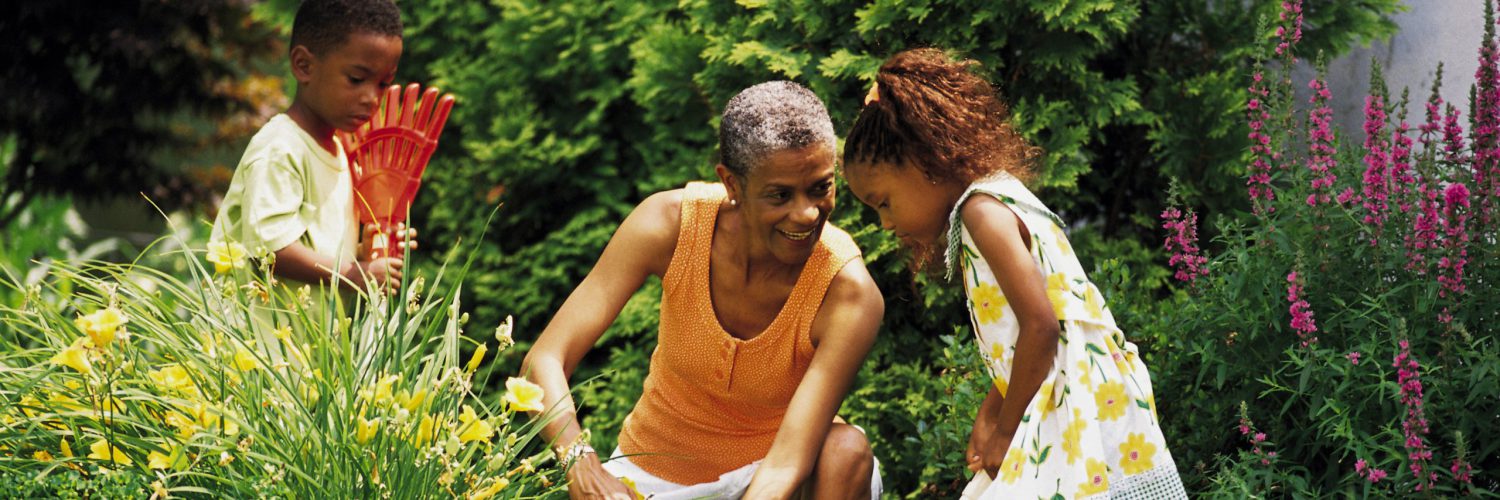
Growing your own food has many benefits, both for your family’s well-being and the health of the planet. In addition to providing exercise and fresh air, gardening can produce healthy and nutritious food that you can enjoy for many months to come.
To get started, take a trip to your local garden center to determine what will grow best in your region of the country. Here are a few suggestions to consider for your garden as well as ideas to incorporate them into your diet (each plant includes a link to growing tips from The Old Farmer’s Almanac):
-
Blackberries
- Blackberriestend to grow easily and do well in many climates. Try them insmoothiesordesserts.
-
Green beans
Green beansdo not need to be started indoors, making them a great choice to start outside now.
-
Basil
Basilis a tasty addition to many dishes and grows well in summer, especially next to tomatoes. Add some to yourbaked chicken, acaprese salador yourgreen beans. It’s even great inlemonade!
-
Lettuce
Lettucecan be planted continuously throughout the spring and fall, ensuring you have plenty for salads all season long. Use it to top off yoursandwichor make alettuce wrap作为一个健康的塔可替代。
-
Squash
Squashoffers a number of varieties to choose from, and they tend to have particular seasons in which they do best. If you choose a summer squash like zucchini, the skin is edible! Try it innachosor mixed intoburgers! They can even gostraight on the grillduring summer cookouts.
- Tomatoes
Beyond growing your own food, there are other steps you can take to further lessen your impact on the environment as you plan and enjoy your garden:
Plant a tree,shrubs, or plants like flowers or grasses around your house or neighborhood to help prevent soil erosion, absorb CO2from the air, and beautify your home space. While these plants may not provide food like your garden, they offer many other benefits!
Eat foods raised or grown locally. From clearing land to grow food, transporting food from its source to the store, and packaging that ends up in the landfill, there are many ways the food we eat affects the environment. Your garden may provide a bounty of fruits and vegetables, but it is likely you will need to supplement with other foods. One of the easiest ways to reduce your impact on the environment is purchasing meat or produce that has been raised or grown locally–plus you know it’s fresh and in-season!
Compost.Consider setting up a compost pile or contributing compostable materials to a community composting site. You can then use the resulting soil in your own garden to give it a boost!
Your garden will bring your family healthy and nutritious foods while simultaneously benefiting the environment. Happy gardening andbon appetit!
Original sourcehttps://blog.healthadvocate.com/2021/04/getting-started-with-a-garden/