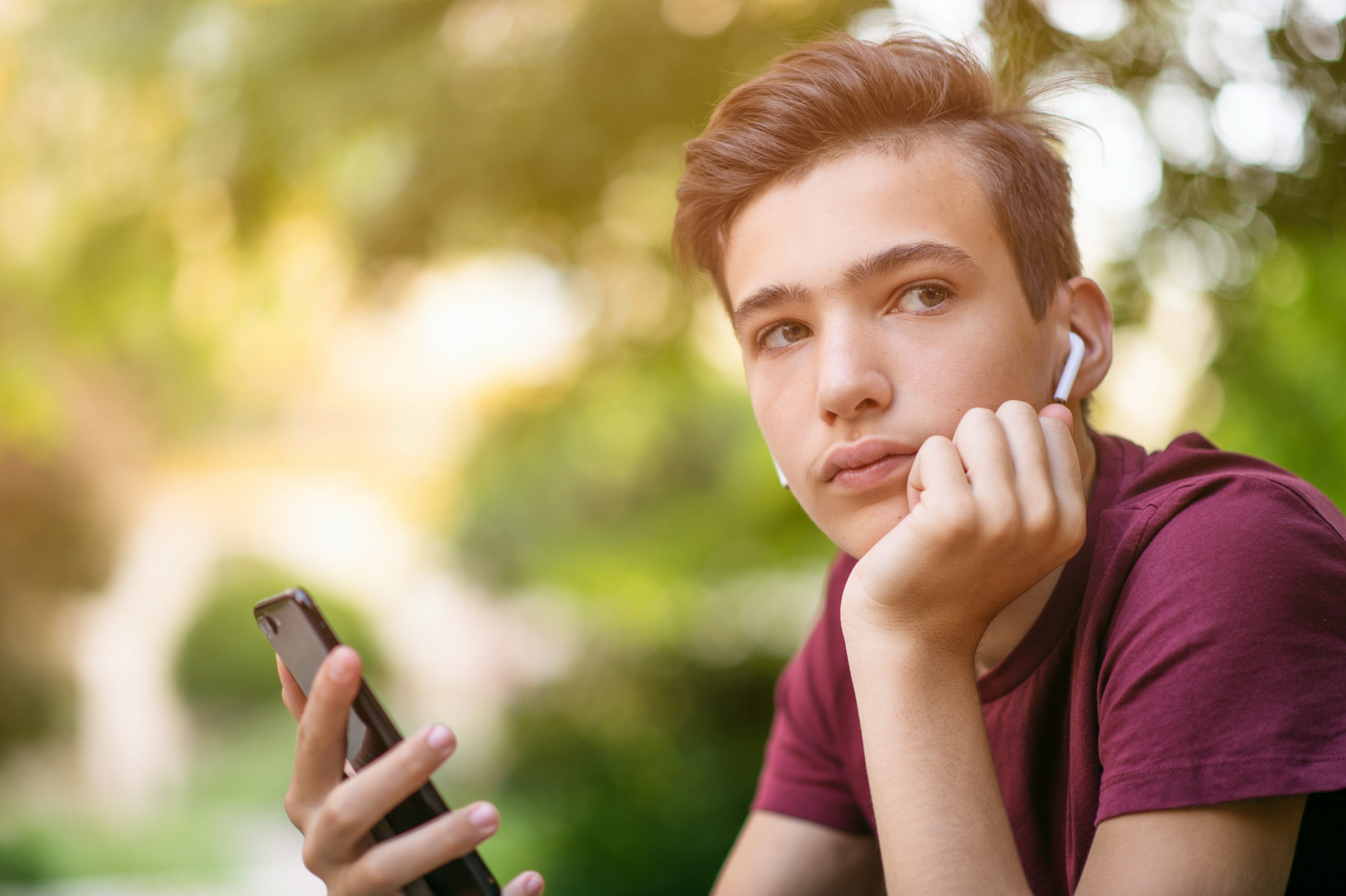
 Adults aren’t the only ones feeling sad and anxious these days. Here’s how to help kids cope.
Just as it did for adults, life changed in unimaginable ways for children and teens during the COVID-19 pandemic. Remote learning, canceled activities and lockdowns were necessary to slow the spread of the virus. But these restrictions, as well as a heightened sense of fear and uncertainty, have been causing children to feel anxious, depressed and even suicidal over the last year.
Mental health related emergency room visits have risen significantly for people under age 18 during the pandemic, according to theCenters for Disease Control and Prevention. When the same time periods in 2020 and 2019 were compared, visits increased by 24% for kids ages 5-11 and 31% for those ages 12-17. These numbers are an indication of mental health emergencies, but many children’s mental health has suffered to some extent over the past year, even if a trip to the ER wasn’t needed.
There are a number of reasons this pandemic has wreaked havoc on the mental health of kids, teens and young adults (as well as older adults). These include:
-
Lack of routine.
As much as we may complain about routines, they give people of all ages – and especially kids – a sense of stability and security. Before the pandemic, kids knew what to expect each day, between school, after-school commitments and family activities. Now with so many things canceled and guidelines changing from day to day, it’s hard to follow a regular routine.
-
Social isolation.
Kids and teens are social creatures. Many schools have relied on remote or hybrid instruction. Even if kids are in school, they’re not able to interact with others as they used to. Add to that the fact that kids and teens haven’t been able to hang out with their friends or be part of teams, clubs or other groups. Often they can’t visit with grandparents and other family members. This lack of social connection can have a major effect on their mental health.
-
Fear and worry.
每个人都感受到这种大流行引起的压力。人们担心他们喜欢从病毒生病的人。父母失去了工作。它可能觉得事情再也不会正常了。这些日子有很多才能担心,成年人不是唯一令人担忧的人。孩子们也担心,他们经常夸大成人对话,这可以增加他们的担忧。
父母如何帮助
Life is slowly returning to some sense of normalcy as more people get vaccinated against COVID-19. But that doesn’t mean things will immediately – or ever – return to the way they were before the pandemic. And if your child or teen has been struggling with anxiety, depression or other mental health issues during the last year, they won’t just go away either. But here are a few things parents can do to help:
- Stick to routines.但唯一不变的似乎be change these days, try to stick to routines as much as possible. If kids are still learning remotely, make sure they’re following a schedule throughout the day. If activities are resuming, create new routines so kids know what to expect. Putting activities or deadlines on a calendar may help.
- Encourage social connection.到目前为止,您可能会为您的孩子们提供新的方式 - 无论是通过虚拟方还是通过虚拟派对或社会距离的户外聚会。虽然这些类型的社会互动现在可能会被弄得很无聊,但尽可能保持它们。随着限制的放松,鼓励孩子们回到他们曾经享受的社交活动。
- Emphasize the future.This past year has certainly been rough, but things are getting better. Help your child focus on the good times ahead by planning an outing or vacation together. Talk about the activities they can enjoy this summer, as well as new extracurricular activities or sports that might be fun to try.
- Look for signs of trouble.Bedwetting, clinginess and sleep disturbances may mean your preschooler isn’t coping well. Nightmares, poor concentration and withdrawal from friends may indicate problems in elementary-age children, according to theNational Association of School Psychologists(NASP). The NASP lists sleeping and eating disturbances, conflicts, delinquent behavior and agitation among the signs that teenagers are struggling.
- Seek professional help if needed.If you are concerned about your child’s mental health and things don’t seem to be improving, get in touch with a mental health professional who is experienced in treating children or teens.
Copyright 2021 ©Baldwin Publishing, Inc.All rights reserved.